Total Exercises Taken
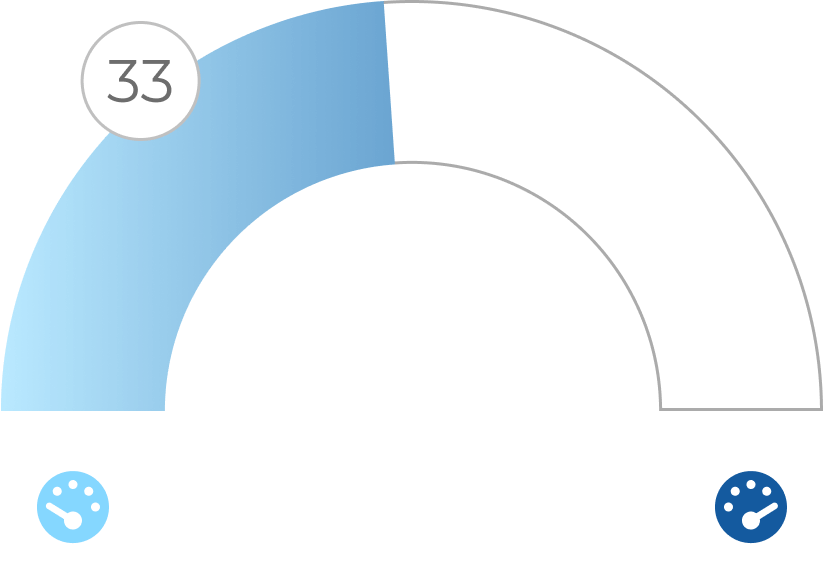
Activation
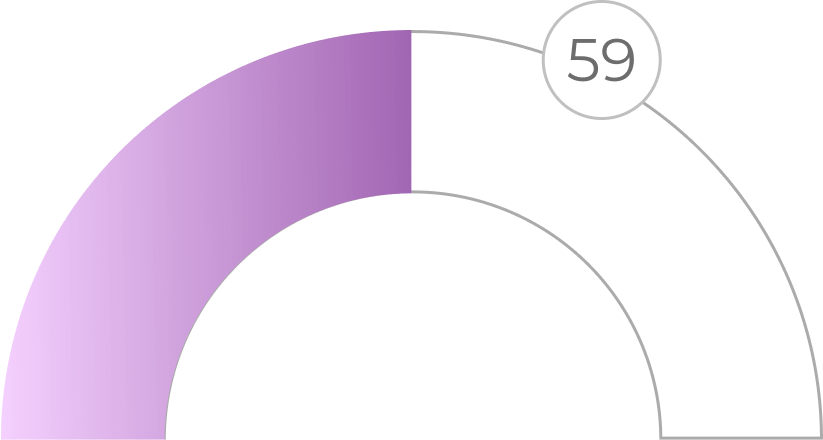
Wellbeing
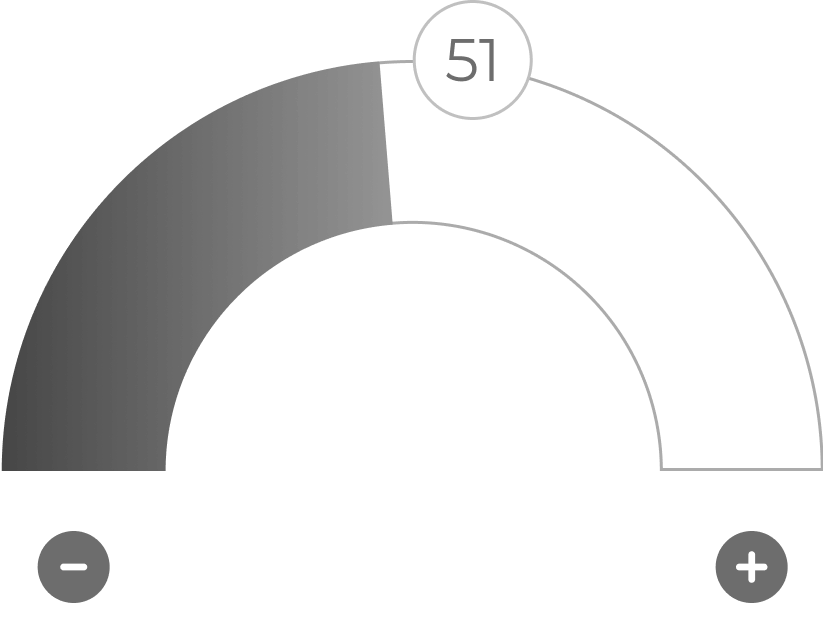
Positivity
 Global Benchmark
Observations
Physical stress is strongly tied to autonomy and potential, meaning that people under physical stress often feel stuck in their current state.
Largest differences:
Potential (0.36), Inclusion (0.34), Autonomy (0.32)
Pattern:
- Physical stress correlates strongly with unmet potential, autonomy, and inclusion needs.
- People experiencing physical stress may feel like they have lost control over their future, feel isolated, or lack autonomy.
- Success and recognition also show significant differences, meaning physical stress may be tied to performance pressures.
Emotional stress has the strongest ties to inclusion and safety needs, meaning that it is most deeply influenced by foundational disconnection and insecurity.
Largest differences:
Inclusion (0.40), Potential (0.39), Safety (0.39)
Pattern:
- Emotional stress is most strongly linked to social and security-related needs.
- People under emotional stress feel the greatest sense of social disconnection (inclusion) and insecurity (safety).
- Justice, ethics, and purpose also show significant differences, meaning emotional stress may be tied to deeper moral concerns.
Cognitive stress is most associated with immersion, meaning it is often driven by mental over-engagement or exhaustion.
Largest differences:
Immersion (0.35), Autonomy (0.35), Caring (0.24)
Pattern:
- Cognitive stress is most linked to over-engagement (immersion), loss of autonomy, and caring needs.
- This suggests that cognitive stress may stem from feeling trapped in mentally demanding tasks or emotionally drained by social obligations.
- Recognition and success differences are lower, meaning cognitive stress may be less about external validation and more about internal overload.
Behavioral stress is driven by immersion and inclusion, meaning that people dealing with it either withdraw from or over-commit to social and work-related activities.
Largest differences:
Immersion (0.27), Safety (0.17), Inclusion (0.16)
Pattern:
- Behavioral stress is most tied to over-engagement (immersion), feeling unsafe, and social disconnection (inclusion).
- This suggests that behavioral stress leads to unhealthy coping mechanisms such as avoidance, overworking, or isolating from social connections.
- Autonomy activation is present but lower than in other stress types, meaning behavioral stress may be less about control and more about coping strategies.
Timeline
Calendar of Wellbeing Campaign Exercises Taken
Activation & Positivity – by Need
Group Profile

Highest Activation
Potential (0.60): This suggests that students feel a strong drive toward growth, learning, and self-improvement, but this may also indicate unmet needs related to realizing their full potential.
Purpose (0.50): A strong activation of purpose suggests that students are engaged in thinking about meaning and direction in life.
Autonomy (0.50) & Immersion (0.49): Both suggest that students are actively striving for independence and engagement, but these areas may also reflect some challenges.
Lowest Activation
Authenticity (0.29): This indicates that students may not be focusing much on expressing their true selves or feeling that they need to suppress aspects of their identity.
Justice (0.36) & Ethics (0.37): These lower activation levels suggest that students might not feel a strong need to address fairness, ethics, or social justice concerns at this time.
Highest Positivity
Purpose (0.61): This is the category with the highest dominance of promotion needs, meaning that it is activated by strong needs to find greater meaning in life.
Inclusion (0.50): This suggests that students have a relatively balanced sense of belonging.
Ethics (0.48) & Success (0.46): These areas show a moderate balance of promotion and prevention needs.
Lowest Positivity
Immersion (0.39) & Caring (0.40): These suggest that students are feeling a strong pull towards these needs, with some strong motives to avoid stagnation, boredom, and neglect.
Activation v Positivity Distribution

AgileBrain 10 States
Likelihood of experiencing stress if either the AgileBrain Ten State of Stress Revealing or Relief Seeking is extremely high
… and 36% of students who have taken the inspo exercise fall into Stress Revealing & Relief Seeking
Student Reported Symptoms of Stress
Physical
Physical symptoms of stress like fatigue, headaches, digestive problems, weight changes, or sleep disturbances.
Frequently + Almost Always
Emotional
Emotional symptoms of stress like anxiety or depression.
Frequently + Almost Always
Cognitive
Cognitive symptoms of stress like difficulty concentrating or procrastinating.
Frequently + Almost Always
Behavioral
Behavioral symptoms of stress like overusing substances, staying in bed, or avoiding social interactions.
Frequently + Almost Always
Physical Stress + Activation
100% Increase in Activation
Students experiencing physical symptoms of stress show 100% increase in activation.
Positivity & Wellbeing
They also show a 24% drop in positivity, and 26% lower wellbeing
Interpretation & Observations
Higher Activation Across All Cells for Stressed Individuals:
Every framework cell shows higher activation in the stressed group compared to the unstressed group. This suggests that physical symptoms of stress are associated with a general increase in unmet needs across multiple domains.
Strongest Activation in the Stressed Group:
- Potential (0.65 vs. 0.29): The most activated cell for the stressed group, suggesting a strong drive toward future possibilities but possibly an underlying fear of unfulfilled potential.
- Autonomy & Purpose (both 0.53 vs. 0.21): Stressed individuals may feel a heightened need for independence and meaning, indicating stress-related concerns about control and direction in life.
- Safety & Immersion (both 0.52 vs. 0.29): The elevated need for safety could reflect increased anxiety, while high immersion activation may suggest a coping mechanism (e.g., escaping into tasks or overstimulation).
Social & Material Domain Activation Differences:
- Caring (0.50 vs. 0.36) & Inclusion (0.49 vs. 0.26): The stressed group has higher activation in social needs, implying a greater reliance on or lack of social support during stress.
- Success (0.49 vs. 0.14) & Recognition (0.47 vs. 0.19): A substantial gap, with stressed individuals showing a much stronger drive toward achievement and validation—possibly stress-induced performance anxiety.
Ethical & Justice Needs More Activated in Stressed Group:
- Ethics (0.40 vs. 0.12) & Justice (0.39 vs. 0.21): Stress may intensify concerns about fairness, integrity, and moral alignment, suggesting that individuals experiencing stress may feel more attuned to ethical conflicts.
Minimal Difference in Authenticity (0.30 vs. 0.29):
- Unlike other cells, authenticity shows nearly identical activation levels in both groups, suggesting that stress does not significantly impact the perceived need for self-expression.
Activation by Need – Stressed vs Unstressed
Difference Between Stressed & Unstressed
Emotional Stress + Activation
150% + Increase in Activation
Students experiencing emotional symptoms of stress show more than 150% increase in activation.
Positivity & Wellbeing
They also show a 18% drop in positivity, and 40% lower wellbeing.
Interpretation & Observations
Overall Activation is Higher in Stressed Individuals
As with physical symptoms, every framework cell shows higher activation in stressed individuals, suggesting that emotional stress heightens unmet needs across multiple areas.
Most Activated Needs for Stressed Individuals
- Potential (0.65 vs. 0.25) → The most activated cell, suggesting unmet aspirations and a focus on what could be rather than what is.
- Autonomy (0.55 vs. 0.25) → Indicates that emotional stress is linked to a need for greater control or independence.
- Purpose (0.52 vs. 0.31) → A gap that suggests emotional stress is tied to questions about meaning and direction in life.
- Safety (0.52 vs. 0.13) → A striking difference, pointing to heightened feelings of insecurity, anxiety, or emotional vulnerability.
Social & Recognition Needs Also Show Large Gaps
- Caring (0.51 vs. 0.27) & Recognition (0.49 vs. 0.15) → Stressed individuals have a greater need for social connection and acknowledgment.
- Inclusion (0.48 vs. 0.08) → A major gap, suggesting that social isolation or feelings of being left out contribute to emotional stress.
Achievement & Ethical Sensitivities Increase with Stress
- Success (0.46 vs. 0.13) → A large difference, indicating that emotionally stressed individuals may feel pressured to achieve or worry about falling short.
- Ethics (0.40 vs. 0.04) & Justice (0.38 vs. 0.08) → As in physical stress, emotional stress heightens concerns about fairness, morality, and doing the right thing.
Authenticity Shows a Smaller but Noticeable Gap
- Authenticity (0.29 vs. 0.19) → Unlike other cells, authenticity shows a smaller difference. This suggests that while emotional stress heightens other needs, it does not dramatically impact the drive for self-expression.
Activation by Need – Stressed vs Unstressed
Difference Between Stressed & Unstressed
Cognitive Stress + Activation
50% Increase in Activation
Students experiencing cognitive symptoms of stress show a 50% increase in activation.
Positivity & Wellbeing
They also show a 11% drop in positivity, and 20% lower wellbeing.
Interpretation & Observations
Overall Activation is Higher for Stressed Individuals
Stressed individuals show elevated activation across all framework cells, consistent with the pattern seen in physical and emotional stress.
However, the differences in activation between stressed and unstressed individuals are somewhat smaller in cognitive stress compared to emotional and physical stress.
Most Activated Needs for Stressed Individuals
- Potential (0.64 vs. 0.45) → The highest activation, indicating concern about the future, uncertainty, and unfulfilled potential.
- Autonomy (0.56 vs. 0.21) → A large gap, suggesting cognitive stress may be heavily tied to perceived lack of control or feeling constrained.
- Caring (0.52 vs. 0.29) & Purpose (0.52 vs. 0.38) → Indicates a need for meaning and social support in dealing with stress.
- Immersion (0.49 vs. 0.43) → Unlike emotional stress, immersion is relatively high in both groups, suggesting that some unstressed individuals engage deeply in tasks, whereas stressed individuals may feel cognitively overwhelmed.
Safety Activation is Notably High (0.48 vs. 0.29)
- This suggests that cognitive stress may be linked to a sense of vulnerability, insecurity, or the need for stability.
- The difference (0.19) is one of the largest gaps, indicating that cognitive overload can trigger feelings of instability and stress.
Recognition, Success, and Inclusion Activation Differences
- Recognition (0.44 vs. 0.29) & Success (0.46 vs. 0.33) → Suggests that pressure to perform, mental comparison to others, or fear of failure play a role in cognitive stress.
- Inclusion (0.48 vs. 0.45) → Unlike emotional stress (where the gap was much larger), the difference here is minimal, suggesting that social isolation is not as strong a contributor to cognitive stress as it is to emotional stress.
Ethics & Justice Sensitivity is Present but Less Pronounced
- Justice (0.40 vs. 0.29) & Ethics (0.39 vs. 0.19) → Still higher in stressed individuals, but these differences are smaller than in emotional stress.
- This suggests that cognitive stress makes individuals somewhat more concerned about fairness and morality but not to the same degree as emotional stress.
Authenticity is Higher in Stressed Individuals (0.33 vs. 0.21)
- Unlike emotional stress, where authenticity activation was similar across groups, cognitive stress has a larger difference.
- This could indicate that people experiencing cognitive stress feel a greater need to express themselves or be true to their own thoughts.
Activation by Need – Stressed vs Unstressed
Difference Between Stressed & Unstressed
Behavioral Stress + Activation
33% Increase in Activation
Students experiencing behavioral symptoms of stress show a 33% increase in activation.
Positivity & Wellbeing
They also show a 16% drop in positivity, and 21% lower wellbeing.
Interpretation & Observations
Higher Overall Activation for Stressed Individuals
Like previous stress profiles, all framework cells show higher activation for stressed individuals than unstressed ones.
However, the gaps between stressed and unstressed groups are smaller than in emotional and cognitive stress, suggesting that behavioral symptoms may develop more gradually and be less extreme in perception.
Most Activated Needs for Stressed Individuals
- Potential (0.63 vs. 0.54): The highest activation, though the gap is smaller (0.09) compared to other stress types, suggesting that behavioral symptoms may stem from chronic rather than acute concerns about future direction.
- Autonomy (0.60 vs. 0.33): The largest gap in activation (0.27), suggesting that behavioral stress strongly correlates with feeling trapped, restricted, or unable to act freely.
- Immersion & Caring (both 0.51 vs. 0.42): A high level of engagement and emotional connection, but with a significant gap, implying that stressed individuals may struggle with balance between over-engagement and withdrawal.
Social and Recognition Needs Play a Significant Role
- Inclusion (0.48 vs. 0.32) & Recognition (0.47 vs. 0.35):
- Social connections and external validation needs are highly activated in stressed individuals.
- This suggests that behavioral symptoms may manifest as social withdrawal or overcompensation (e.g., seeking attention or validation).
- Success (0.44 vs. 0.33):
- The gap suggests that stressed individuals feel a need to prove themselves, potentially leading to burnout behaviors.
Ethical and Justice Sensitivities Remain Elevated
- Ethics (0.44 vs. 0.31) & Justice (0.41 vs. 0.27):
- Similar to other stress types, behavioral stress also heightens concerns about fairness, morality, and ethical integrity.
- This could influence avoidance behaviors (e.g., disengaging from unjust environments) or overcommitment to causes.
Authenticity is Less Impacted Compared to Other Needs
- Authenticity (0.31 vs. 0.24):
- The difference is small, suggesting that behavioral stress does not significantly impact self-expression in the same way it affects autonomy or inclusion.
Activation by Need – Stressed vs Unstressed
Difference Between Stressed & Unstressed
Outlook: Today vs. 5 Years from Today
Students often see optimism about the future.
An exception of note is the individual who sees themselves as having the worst possible life now and in the same position five years from now. Not surprisingly this student fell into the AgileBrain Ten State of Relief Seeking.
Today
On which step of the ladder would you say you personally feel you stand at this time?
5 Years
On which step do you think you will stand about five years from now?